Valentine’s Day invites us, almost automatically, to think about romantic love. Yet when we pause and reflect, we discover that love is far broader and far deeper than romance alone. Love is the bond between parent and child, the quiet loyalty of friendship, the companionship of long partnerships, the affection we feel toward colleagues, mentors, pets, and even the communities that hold us. These many forms of love shape our lives in ways that are often subtle yet profoundly sustaining.
In the therapy room, I am reminded daily that what human beings long for most is not perfection in love, but connection. We want to matter to someone. We want to know that our presence leaves a trace in another person’s life. When love is present, even in small gestures, people feel steadier. When it is lost, even the strongest among us feel shaken, because each relationship is unique and cannot be replaced by another in quite the same way.
The poet Robert Browning wrote, “Grow old along with me, the best is yet to be.” These lines remind us that love is not only the excitement of beginnings. It is also the courage to remain, to deepen, to grow alongside another human being as both of you change over time. Much of our culture celebrates the thrill of newness, yet the deepest magic of love is renewal — the willingness to rediscover the same person again and again, across seasons of life.
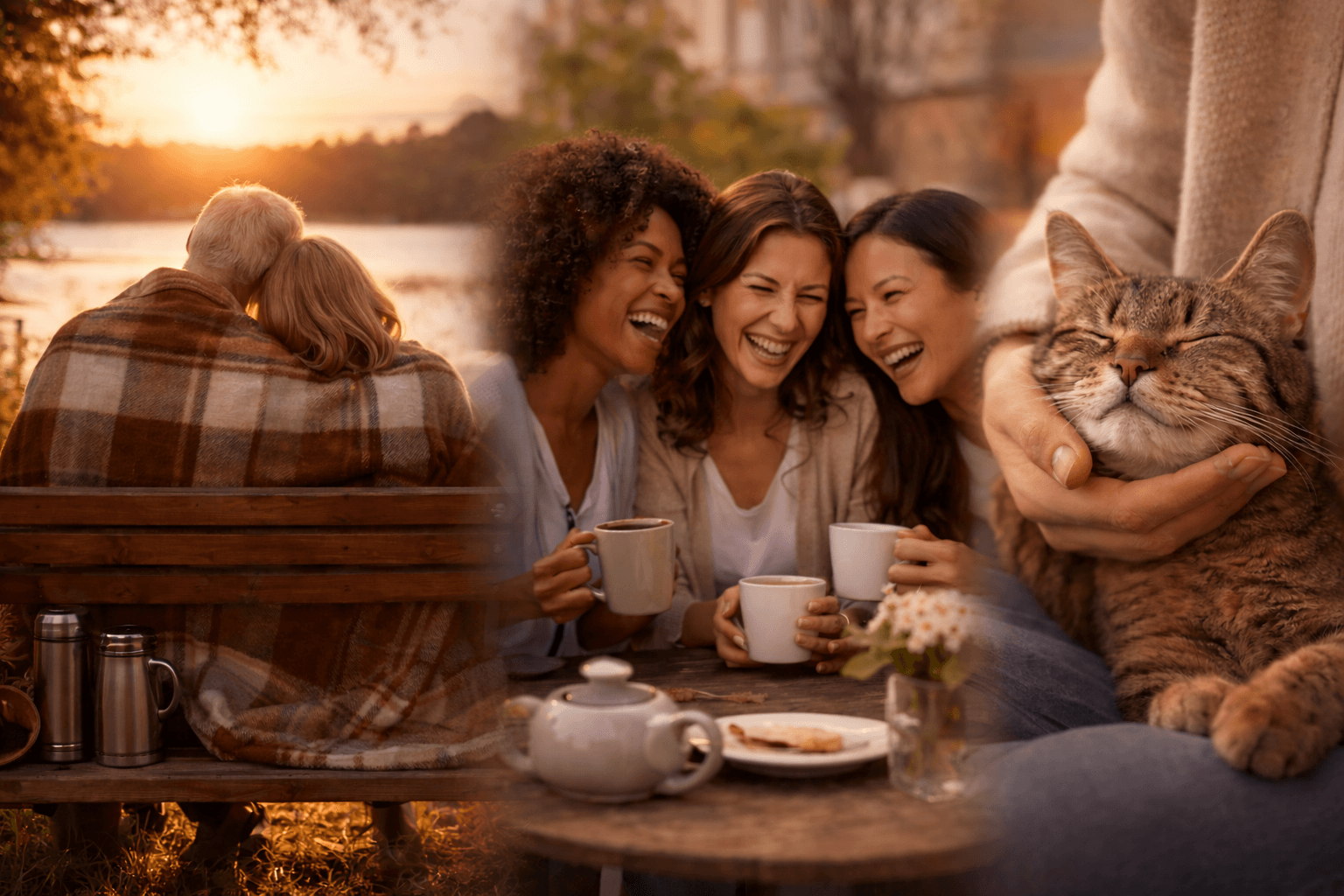
Living in the 21st century, many people find themselves navigating an increasingly complex landscape of relationships. Dating apps, changing social norms, shifting expectations around marriage, family, and independence — all of these can make love feel both more available and more uncertain. With so many possible connections, people sometimes feel more alone, not less. The presence of choice does not eliminate the human need for meaning, commitment, and emotional belonging.
Loneliness, after all, is not simply the absence of people. It is the absence of felt connection. A person may be surrounded by others and still feel profoundly unseen. What protects us from loneliness is not the number of relationships we have, but the depth of the ones in which we are known, accepted, and remembered.
One of the most enduring forms of love is friendship within partnership. Passion naturally rises and falls, but friendship — the ability to sit together in ordinary moments, to share burdens, to laugh at the same stories year after year — often becomes the foundation that allows love to endure. Many couples discover that what they cherish most after many years is not constant excitement, but the quiet knowledge that there is someone whose life is intertwined with their own, someone who stands as witness to their joys and struggles.
Love also asks something of us. It asks patience, because the people we care about will inevitably disappoint us at times. It asks flexibility, because both we and those we love are always changing. It asks courage, because genuine closeness always involves vulnerability. And perhaps most importantly, love asks that we choose, again and again, to remain present — to keep showing up even when life becomes demanding or uncertain.
At the same time, it is essential to remember that no single person can meet every emotional need we carry. Healthy love does not require that another human being become our entire world. Instead, it allows space for friendships, family bonds, meaningful work, spiritual life, and personal growth. When we hold relationships with “open arms,” allowing each other room to grow, love becomes less fragile and more resilient.
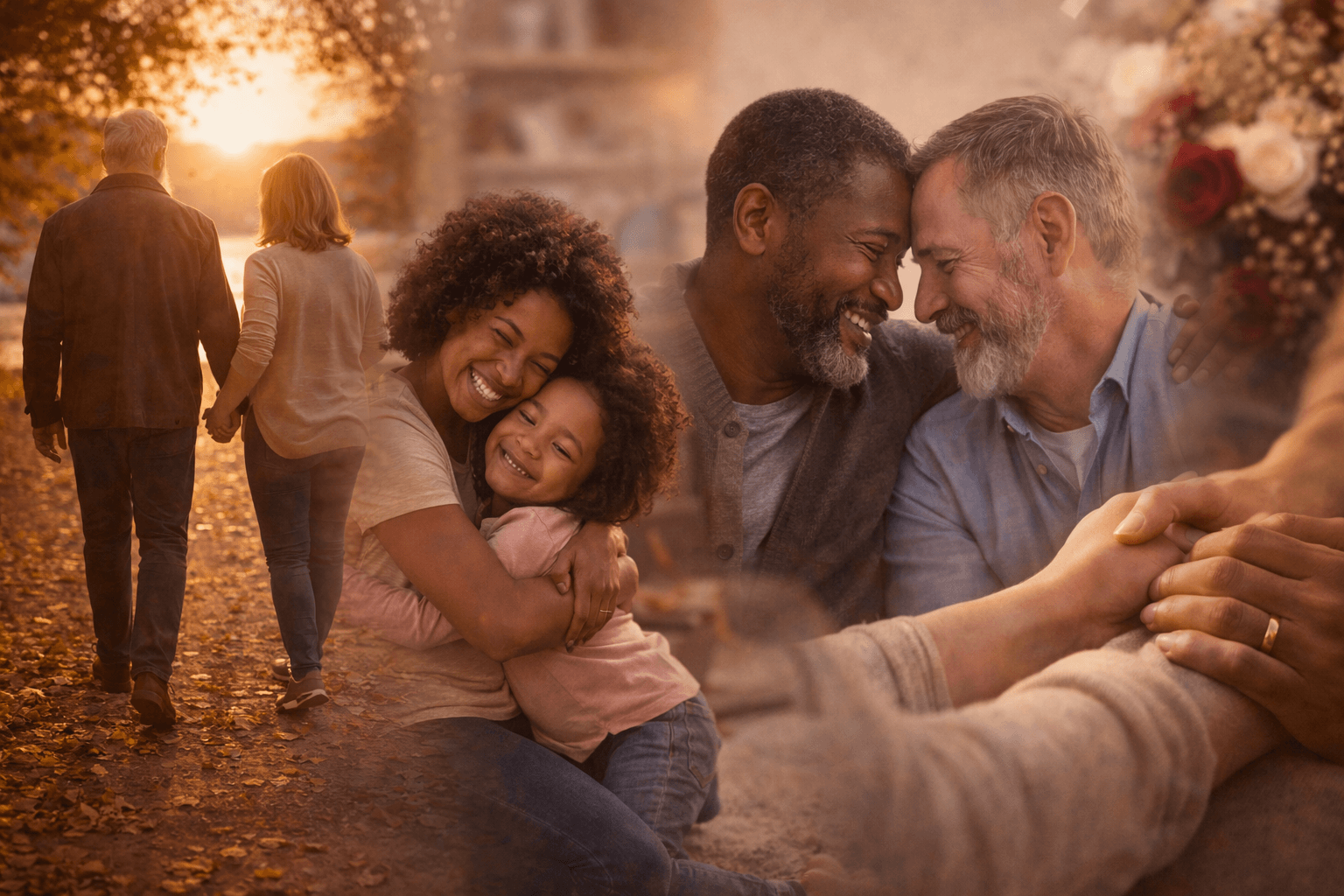
Valentine’s Day, then, is not only a celebration of romantic partnership. It is an invitation to recognize the many ways love already exists in our lives — the friend who checks in, the colleague who listens, the parent who still worries, the child who still calls, the partner who sits beside us in quiet companionship. Love often appears not in dramatic gestures but in steady presence.
Where love is present, there is life. Where connection is nurtured, hope grows. And perhaps the most meaningful promise we can offer one another is not that love will always be easy, but that we will continue to care, to reach toward one another, and to remain open to the possibility that, even as time moves forward, the best of what love can become is still unfolding.